
 404.The.Baer (404.843.2237)
TIME IS BRAIN: The Importance of Rapidly Responding To Stroke Symptoms
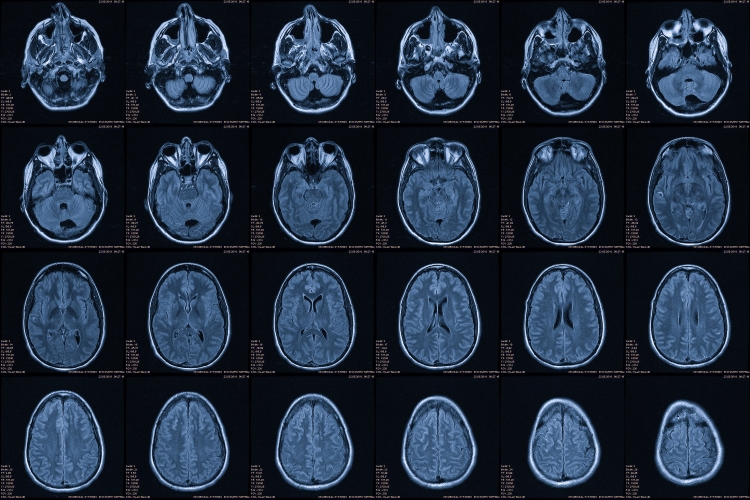 Stroke is a true brain emergency: when a clot blocks blood flow to part of the brain, delaying treatment causes brain cells to die. The more brain that dies, the greater the degree of permanent disability, dysfunction, and eventually death. Knowing the signs of stroke and insisting on timely evaluation and treatment can be the difference between full recovery with little to no permanent deficits and profound, lifelong, or life-ending harm.
What Happens During A Stroke?
Ischemic strokes are the most common. These strokes are caused by a clot that stops blood from reaching part of the brain. Tiny arteries and capillaries supply the brain with oxygen‑rich blood; they are so narrow that even a small clot can plug them like a cork in a bottle. When that happens, the brain cells “downstream” are suddenly starved of oxygen and nutrients. Starved of oxygen-rich blood, those cells begin to die, leaving behind an area of dead brain tissue known as an infarct. Once those cells die, they do not grow back. The sooner doctors can act to break up the clot and restore blood flow, the more brain tissue can be saved. This is why doctors say, “Time is brain.”
There are two primary types of ischemic strokes. Thrombotic stroke is caused by a blood clot that develops directly within a blood vessel inside the brain. The other type is embolic stroke, where, in many cases, clots form in larger vessels – such as arteries in the neck or in the heart – and then travel (embolize) into smaller brain arteries and capillaries.
Whether the clot forms within blood vessels in the brain or travels from elsewhere in the body, the result is the same: a tiny vessel feeding your brain is blocked, and the clock is ticking.
How Clot‑Busting Drugs Work and Why The Window Matters
For ischemic stroke, the standard emergency treatment is an intravenous “clot‑busting” medication, known as a thrombolytic. Two drugs most often used are:
- Alteplase, commonly called tPA
- Tenecteplase, often called TNK
These medicines are not just “blood thinners.” They activate your body’s own clot‑dissolving system, breaking apart the fibrin mesh that holds the clot together, so blood can flow again through the blocked artery. When they are given quickly enough, they can shrink or dissolve the clot, restore blood flow, and limit or even prevent permanent disability.
But there is a strict time window to administer these medicines. For most patients, tPA or TNK should be given within 4.5 hours of when the person was last known to be normal, and the earlier, the better. Every minute of delay means more brain tissue transitions from salvageable to permanently damaged. The bottom line is: if you see signs of stroke, treat it as a race against the clock.
Why The First CT Scan Is So Important
When a possible stroke patient reaches the emergency department, one of the first and most critical steps is a non‑contrast CT scan of the head. Many people assume this is to “prove” there is a stroke, but that is not the main goal.
In the first hours, an ischemic stroke often does not show up clearly on CT. The real reason for this scan is to make sure there is no bleeding in or around the brain and no other contraindication to a clot‑busting drug. If there is a hemorrhagic stroke (a ruptured vessel that is bleeding), thrombolytics could be dangerous. If the CT does not show bleeding and the clinical picture fits an ischemic stroke within the treatment window, primary stroke center guidelines say eligible patients should receive tPA or TNK without unnecessary delay.
Additional imaging – CT angiography, CT perfusion, or MRI – can be helpful, especially for advanced treatments like mechanical clot removal (thrombectomy) or extended‑window therapy. But those tests should not be used as an excuse to “wait and see” while precious minutes tick away.
What Primary Stroke Centers Owe Patients
Hospitals that market themselves as Primary Stroke Centers promise the public a certain level of readiness and quality of care. At a minimum, that means:
- Rapid recognition and triage – Nurses and providers in the ER must be trained to recognize stroke signs immediately and activate a “stroke alert” or “code stroke.”
- Fast imaging and treatment – The hospital should be able to obtain a CT quickly and, when appropriate, deliver clot‑busting therapy within about 60 minutes of arrival.
- Stroke‑specialist involvement – There must be a system for around‑the‑clock neurologist input, either in person or via teleneurology, to support diagnosis and treatment.
- Clear protocols and accountability – Written stroke pathways, standardized orders, and ongoing training so that everyone knows their role and performance is tracked.
When these systems fail (i.e., when stroke symptoms are downplayed, stroke alerts are delayed, or thrombolytics are never seriously considered within the window), patients can lose the one chance they had to reduce the severity of their stroke and make a full recovery. When these systems fail, the result is often lifelong disability that could have been prevented.
At The Baer Law Firm, we represent several clients whose strokes occurred while they were under medical care and whose symptoms were not treated with the urgency that the standard of care requires. Their experiences underscore just how devastating it can be when the stroke clock is allowed to run out.
Recognizing Stroke: F.A.S.T. and B.E. F.A.S.T.
You do not need to remember all the medical details to save a life – Just remember F.A.S.T. (or the expanded B.E. F.A.S.T.) and act on it.
B.E. F.A.S.T. stands for:
- B – Balance: Sudden trouble walking, dizziness, loss of coordination, or feeling like the room is spinning.
- E – Eyes: Sudden blurred vision, double vision, or loss of vision in one or both eyes.
- F – Face: One side of the face droops; the person’s smile looks uneven or crooked.
- A – Arms: Sudden weakness, numbness, or heaviness in one arm. Ask the person to raise both arms – does one drift downward?
- S – Speech: Slurred speech, trouble finding words, or difficulty understanding others.
- T – Time: If you see any of these signs, even if they come and go, call 911 immediately or take the person to the ER immediately.
Note: Posterior circulation strokes, which are those affecting the brainstem and the back of the brain, often show up more as dizziness, imbalance, double vision, and nausea than as the “classic” face and arm weakness. These strokes can be misdiagnosed as vertigo, migraine, Bell’s palsy, or anxiety. When in doubt, treat it as a stroke until proven otherwise.
How To Advocate For Yourself Or A Loved One
When you arrive at an emergency department with stroke‑like symptoms, you are allowed – and encouraged – to advocate for timely care. Here are practical ways to advocate:
- Say the word “stroke.” Describe what you are seeing and say plainly, “I am worried this could be a stroke.” That language matters because it triggers specific protocols.
- Give a clear timeline. Tell the staff exactly when the person was last seen normal (“last known well”). If you don’t know, say that clearly. This timestamp drives treatment decisions, as the last known well must be within 4.5 hours to be within the window generally considered for clot-busting thrombolytics (tPA or TNK) to be effective.
- For instance, your spouse wakes you up at 6 am with dizziness, facial droop, and slurred speech. You take him/her to the ER immediately, arriving at 6:30 am. The ER recognizes potential stroke and asks for “last known well.” If you say, ”10:00 pm, when you went to bed,” the physician may interpret your comment as meaning his/her stroke symptoms began at 10:00 pm and mistakenly conclude that your spouse is well outside the time window for tPA or TNK and thus not provide them. It is crucial to be clear and precise: “He/she was fine when we went to bed. I don’t know for sure when they began, but I believe these symptoms just started when he/she woke up at 6 am.”
- Ask about a stroke alert. It is appropriate to ask, “Has a stroke alert or code stroke been called? Has neurology been consulted?”
- Ask about imaging. Ask, “Has a CT scan been done to check for bleeding so that clot‑busting medicine can be given if needed?”
- Speak up if things worsen. If weakness, speech problems, or balance issues get worse while you are waiting, tell the nurses and doctors right away. Do not assume they are already aware.
You are not second‑guessing the doctors by asking these questions. You are making sure the hospital does what it promised and is obligated to do: take stroke seriously and act quickly.
When Symptoms Seem Mild Or Go Away
Sometimes stroke symptoms are brief or subtle, such as a drooping face that improves, a few minutes of slurred speech, or one arm that feels weak but then “gets better.” These events may not be harmless.
- A brief episode can be a transient ischemic attack (TIA), sometimes called a “mini‑stroke” – a major warning that a larger stroke could follow.
- “Mild” deficits can still be disabling, especially if they affect your dominant hand, your ability to speak clearly, or your ability to walk safely.
Even if symptoms improve, you should still be evaluated urgently in an emergency department that can perform brain imaging and involve a stroke specialist. Do not accept a brush‑off diagnosis like “pinched nerve,” “just stress,” or “Bell’s palsy” without serious consideration of stroke when F.A.S.T. signs are present.
Our Firm’s Commitment
Our clients’ stories – people actively having strokes while under the care of medical providers who failed to recognize and act on the signs – are a powerful reminder that stroke care is not just about technology and medications. It is about vigilance, attention, and systems to prevent oversight. When hospitals or providers position themselves as stroke‑capable but fail to deliver timely assessment and treatment, patients and families pay the price.
At The Baer Law Firm, we work to hold those providers accountable. We do so not only to obtain justice through monetary recovery for clients who suffer profound harm due to unreasonable delays, but also to encourage better care and systems so that fewer families endure these preventable tragedies.
If you or a loved one experienced a stroke and you are concerned that warning signs were ignored or treatment was delayed, contact us for an honest assessment.


Attorney Bryan Baer has twenty (20) years of legal experience representing clients in serious and serious personal injury and medical malpractice cases. He has been first chair in more than a dozen twelve-person jury trials on both the plaintiff and defense sides. Recognized as a leader in his legal community, he is frequently asked to speak at legal seminars on trial topics ranging from “Best Practices in Voire Dire” to “Maximizing Damages at Trial” as well as insurance issues such as “Navigating the Insurance Landscape” and “Injury Demands & Negotiations.” Learn more here.