
 404.The.Baer (404.843.2237)
How Georgia Medical Malpractice Lawyers Evaluate a Case: What Matters in the First Call
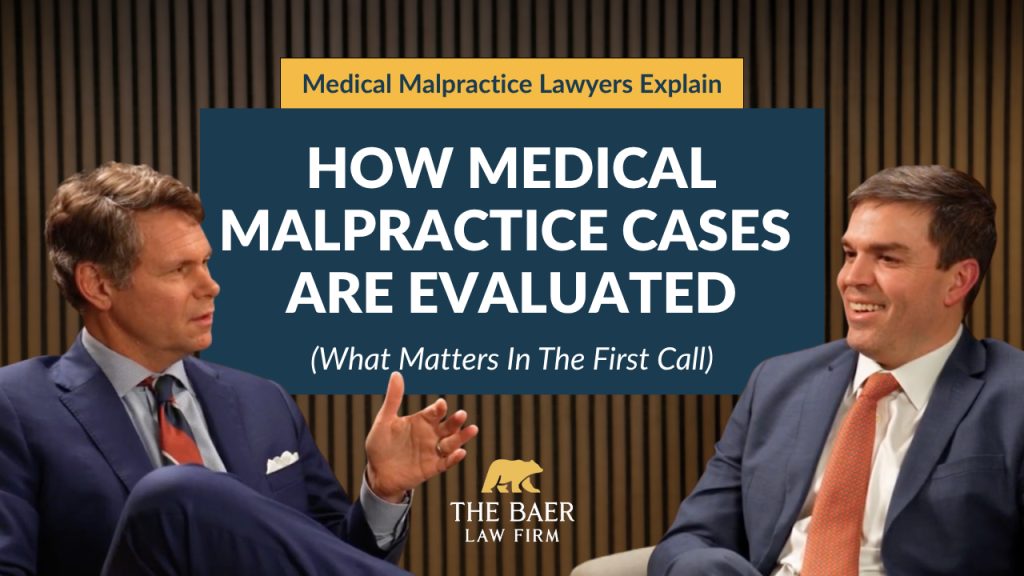 If you are reading this after something went wrong with medical care, you are likely trying to piece together what happened. Most people naturally start by recounting everything from the beginning (appointments, conversations, and decisions), trying to identify where things may have gone off track.
When a medical malpractice lawyer reviews a potential case, however, the focus quickly shifts to a more specific question: what did a provider do or fail to do that caused grave, life-altering harm.
Medical malpractice cases are highly technical. Firms like The Baer Law Firm evaluate cases early by determining whether there is a supportable claim under medical standards and whether the injury can be clearly linked to a breach in the standard of care.
For instance, hearing a client’s story about sitting for days in the hospital, waiting for her leg to be treated, and then when it finally is, being told that it is too late to save it, a lawyer can her that story and quickly pinpoint where the potential negligence is: failing to evaluate and treat the patient’s leg within a reasonable amount of time so that it can be saved. It may ultimately be a case, but that information is needed to get a lawyer’s attention and show it is worth investigating.
The Core Question: Was There Negligence?
When a lawyer first reviews your situation, the goal is not to evaluate the entire course of treatment in a general sense. The key issue is whether a specific medical decision or action fell below the accepted standard of care.
It is natural for clients to share every detail—the frustration, the timeline, and the moments that felt wrong along the way. All of that context is important, but attorneys are listening for something more precise.
Attorneys are typically focused on:
- What you believe was a medical error, i.e., what went wrong
- The magnitude of harm that can fairly be attributed to medical error
From a legal standpoint, a potential case exists only if there is a clearly identifiable point at which care deviates from accepted medical standards. Without that, even a serious or tragic outcome may not meet the legal definition of malpractice.
At intake, firms like The Baer Law Firm work to separate emotional context from legally relevant facts. The goal is not to minimize your experience, but to determine whether the facts support a viable claim.
Clear, organized information helps make that assessment more efficient and helps draw the firm’s attention to your case.
Why Timeline and Medical Records Matter
When treatment involves multiple providers, hospitals, or an extended period of care, it can be difficult to explain everything in a single conversation. This is where a simple timeline becomes especially helpful.
You do not need anything complex. Even a basic outline of events can provide valuable clarity.
A straightforward timeline helps identify:
- How the issue developed over time
- When key medical decisions were made
- Which providers were involved at each stage
Medical records are equally important. They document what was observed, diagnosed, and treated at each point in care. Together with your timeline, they help identify critical turning points and help evaluate whether standards of care were met.
A Key Reality: Not Every Bad Outcome Is Malpractice
One of the most important distinctions in medical malpractice cases is that a poor outcome does not necessarily mean negligence occurred. For instance, some patients suffer horrific infections post-surgery, leading to sepsis, lengthy hospital stays, and sometimes worse outcomes. Infections can happen despite the best of practices. Just because a patient suffered a bad infection following surgery does not mean there is a viable medical case.
Attorneys must evaluate whether the provider acted reasonably based on what was known at the time. Medicine is judged by standards of care—not hindsight.
A treatment decision may result in a serious or even tragic outcome and still fall within acceptable medical practice if it was considered reasonable under the circumstances.
What Strong Cases Typically Show
Strong medical malpractice cases generally include two core elements:
- A clear medical error that falls below the accepted standard of care
- A direct causal link between that error and a serious, life-altering injury
Firms reviewing these cases often focus on catastrophic, permanent harm that can be attributed to medical error, such as failure to monitor a patient under anesthesia, causing cardiac arrest; operating equipment improperly, resulting in third-degree burns; failure to diagnose and treat an internal bleed, resulting in death; performing an unnecessary medical procedure, causing stroke; or failure to timely diagnose and treat a stroke.
If either the breach in care or the causal connection is missing, it is not a case an experienced medical malpractice attorney can take. Further, if the harm (in the grand scheme of things) is minor or the potential client makes a full recovery in a relatively short period of time, the costs of pursuing the case may outweigh the likely recovery, such that pursuing the case does not make sense.
Moving Forward
If you are trying to understand whether your medical outcome involved negligence, the most important step is getting an early, informed evaluation of the facts and records. Contact The Baer Law Firm by visiting https://thebaerfirm.com/ or call us directly to schedule a consultation and get an honest assessment and clear understanding of your legal options.


Attorney Bryan Baer has twenty (20) years of legal experience representing clients in serious and serious personal injury and medical malpractice cases. He has been first chair in more than a dozen twelve-person jury trials on both the plaintiff and defense sides. Recognized as a leader in his legal community, he is frequently asked to speak at legal seminars on trial topics ranging from “Best Practices in Voire Dire” to “Maximizing Damages at Trial” as well as insurance issues such as “Navigating the Insurance Landscape” and “Injury Demands & Negotiations.” Learn more here.